


Encuentra el producto adecuado para ti
Compara hasta 4 productos
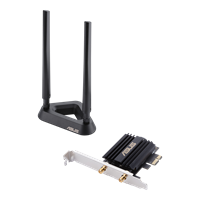

Ocultar similitudes
Frequency Band
2.4~2.4835GHz unlicensed ISM band
2402-2480MHz : 4 dBm
Product Dimensions
121 x 88.05 x 22 mm
19.47 x 16 x 8.1 ~ cm (WxDxH) (Without Bezel)
Note
Profile/protocol support:
-4.0 Host Controller Interface
-Advanced Audio Distribution Profile
-AMP Host Controller Interface
-AMP Manager Protocol
-Attribute Protocol
-Audio/Video Control Transport Protocol
-Audio/Video Distribution Transport Protocol
-Audio/Video Remote Control Profile
-Basic Imaging Profile
-Basic Printing Profile 1.2
-Bluetooth Network Encapsulation Protocol
-Device ID Profile
-Dial-Up Networking Profile
-File Transfer Profile
-Find Me Profile
-Generic Access Profile
-Generic Attribute Profile
-Generic Audio/Video Distribution Profile
-Hands-Free Profile
-Hardcopy Cable Replacement Profile
-Headset Profile
-Host Controller Interface
-Human Interface Device
-Interoperability Test Specification
-Logical Link Control and Adaptation Protocol
-Message Access Profile
-Object Push Profile
-Personal Area Networking Profile
-Phone Book Access Profile
-Proximity Profile
-RFCOMM with TS 07.10
-Security Manager Protocol
-Serial Port Profile
-Service Discovery Application Profile
-Service Discovery Protocol
-Synchronization Profile
-Video Distribution Profile
Support Win 10, Plug and Play
OS Support
OS Support : WindowsR 10 64-bit
Linux
WindowsR 10 , 32bit/64bit
WindowsR 8 , 32bit/64bit
WindowsR 7 , 32bit/64bit
WindowsR XP , 32bit/64bit
Modulation
GFSK for 1Mbps, π/4-DQPSK for 2Mbps; 8-DPSK for 3Mbps
Network Standard
WiFi 6 (802.11ax)Bluetooth® 5.0
Distance of Use
Over 10 meters in free space
WiFi Data Rate
802.11ax (5 GHz): hasta 2402 Mbps802.11ax (2,4 GHz): hasta 574 Mbps802.11ac: hasta 1733 Mbps802.11n: hasta 300 Mbps802.11g: hasta 54 Mbps802.11b: hasta 11 Mbps802.11a: hasta 54 Mbps
Product Segment
AX 3000 (2402 Mbps + 574 Mbps)
Bluetooth
5.0
Interface
USB 2.0
Product Weight (g)
75 g
Standard
Bluetooth V4.0
Data Rate
Up to 3Mbps
Spectrum
FHSS (Frequency Hopping Spread Spectrum)
- La velocidad de transferencia real de USB 3.0, 3.1, 3.2 y / o Type-C variará dependiendo de muchos factores, incluida la velocidad de procesamiento del dispositivo host, los atributos del archivo y otros factores relacionados con la configuración del sistema y su entorno operativo.
- El rendimiento real de datos y la cobertura WiFi variarán de las condiciones de la red y los factores ambientales, incluido el volumen de tráfico de la red, el material de construcción y la construcción y la sobrecarga de la red, lo que dará como resultado un rendimiento real de datos y una cobertura inalámbrica más bajos.
- Velocidades de red y ancho de banda cotizados según las especificaciones IEEE 802.11ac actuales. El rendimiento real puede verse afectado por factores de la red y del proveedor de servicios, el tipo de interfaz y otras condiciones. Los dispositivos conectados deben ser compatibles con 802.11ac para obtener los mejores resultados.
